Health advice claims aren’t always neutral and a lot of the time, even correct at all. Especially on social media. There’s a hell of a lot of misinformation floating around that can and often does catch people in misinformation and give them advice that isn’t beneficial and sometimes even harmful to their health. Whether these messages are pushed via marketing from brands in certain sectors, influencers, or people with varying levels of competence not staying in their lane, it’s a dangerous world at times. Especially if people like influencers are not disclosing that they do not know the medical aspect of this information or are not a professional.
And when you want to be more critical of health information you see online, here are a few tips that can help you.
Look at Who Is Making the Claim
Credentials matter, but so too does context. A licensed clinician discussing their specialty is different from a lifestyle influencer summarizing research they do not understand. Not every single influencer has an ulterior motive, but many do so without knowing what they are talking about. A nutritionist selling supplements has a financial stake; a bookmaker running affiliate links does not offer neutral guidance.
If the person making the claim does not clearly state their background or if their income depends on you believing them, treat the information as marketing, not education.
Watch for Vague Language
A lot of phrases sound scientific but are really extremely vague. “Boost immunity” is a good example, as is “supports brain health”. They sound impressive, but they don’t mean anything specific. They’re used because they’re difficult to disprove and easy to believe.
Reliable information tends to be concrete. It describes outcomes, population, limitations, and conditions. Weak information tends to lean on impressive-sounding wording instead of precise meaning.
Notice How Evidence Is Being Used
One single study does not equal proof. A study in mice does not equal a result in humans. A poorly designed trial doesn’t become valid because it is cited confidently.
Online, you’ll often see claims propped up with cherry-picked research, especially around supplements and cognitive enhancers. Discussions around compounds such as “boost memory with aniracetam’ frequently rely on selective interpretation of limited data rather than broad, high-quality clinical evidence, which is why that specific compound is for research purposes only.
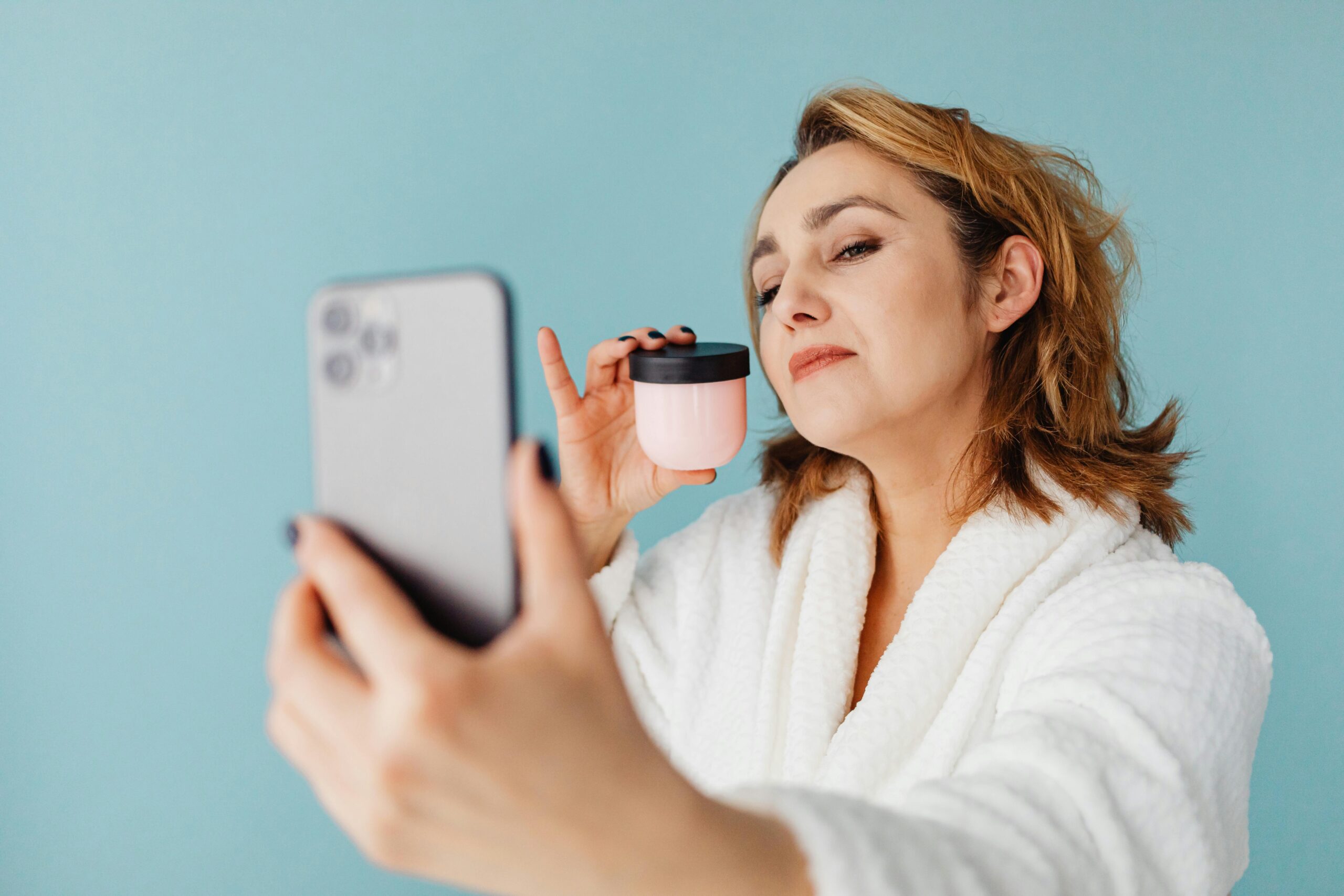
Image Credit: Pexels via WordPress
Separate Personal Anecdotes from General Truth
Testimonials are persuasive and mostly useless. Someone saying a product “changed their life” doesn’t tell you whether it will help anyone else, whether a placebo played a role, or whether other variables changed at the same time.
Anecdotes feel real; that’s why they’re regularly used, but they’re not evidence, just stories. Don’t forget this.
Check Whether Risks Are Being Acknowledged
Legitimate health discussions include drawbacks, contraindications, side effects, and uncertainty. Marketing content will tend to avoid this as it reduces conversions. If a claim presents only benefits with no real mention of trade-offs, it’s not balanced information; it’s persuasion.
Pay Attention to Urgency of Messaging
This is really important: fear-based framing is a common tactic. “Doctors don’t want you to know” or “you’re damaging your body if you don’t act now” are common angles for marketers to take. And it’s this sense of urgency that drives clicks and sales, not accuracy.
Good information doesn’t need pressure tactics; it just needs to stand up, and it’s based on clarity, not fear.

Image Credit: Pexels via WordPress
Do Your Research and Take Information With a Grain of Salt
Let’s be honest here, sometimes reading about certain things or hearing about health concerns from an online influencer, can help jump start you into doing your own research. This gives you the opportunity to learn more about the subject and/or the supplements before jumping into use. The problem here isn’t that you read about it somewhere, it’s that you take that information as fact.
As a Content Creator myself, I know that products can be sent for review consideration and I’ve had many sponsorships over the last 17 years of blogging and YouTube. However, I always disclose whether or not I make money off of something (whether it is sponsored or an affiliate link) and I never state medical advice, only my own experiences.
Following Content Creators or Influencers Isn’t the Problem
It’s not a problem to listen to content creators or influencers specifically in the niche your researching or are interested in. The important part of it all, is that you know the difference between fact from a medical perspective and influence or suggestion. If you can tell the difference between the two and can do your research accordingly, you are armed with various opinions and info to help you make an educated decision before starting something new.
Disclaimer: This is a collaborative post. All opinions are my own, 100% honest & unbiased. Affiliate links are posted throughout. Feel free to read my Disclaimer Page for details and information on collaborative (collab) posts, guest posts, sponsored posts, affiliate links, and more.